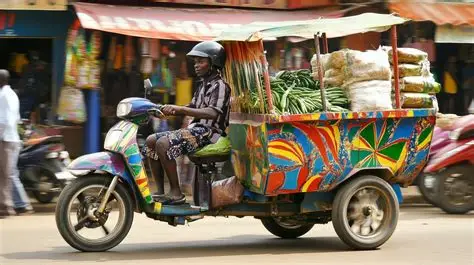
The Director General of the National Road Safety Authority (NRSA), Abraham Amaliba, has clarified that tricycles, commonly called aboboyaa, remain illegal under Ghana’s current road traffic regulations despite their widespread use nationwide.
Speaking on the Citi Breakfast Show on Tuesday, February 10, he explained that the absence of a defined legal framework has made regulation difficult, leaving enforcement as the only option available to authorities.
No Legal Framework Yet
According to Mr. Amaliba, the NRSA cannot fully regulate tricycle operations because they have not been formally legalized.
“For now… they have not been legalised, my institution does not regulate them yet. It is about enforcement,” he stated.
He noted that while tricycles have become common — especially for transporting goods within urban and peri-urban communities — their operations still fall outside approved transport regulations.
Operational Guidelines Still Undecided
The NRSA also indicated that several key operational questions remain unresolved, including:
-
What roles tricycles will play in the transport sector
-
The type of goods they may carry
-
The limits of their commercial operations
Until these guidelines are established in law, authorities will continue to treat their use as unlawful.
Public Can Assist Enforcement
Mr. Amaliba added that citizens are permitted under the law to assist enforcement efforts by apprehending offenders and handing them over to the police.
“It is allowed under the law to effect citizen arrest and hand them over to the police immediately if they are seen breaking the law.”
Possible Future Legalisation
He indicated that government may eventually define how tricycles fit into Ghana’s transport system, but until regulations are passed, their use remains illegal regardless of how common they have become.
The statement highlights the growing gap between transport realities on the ground and existing road traffic legislation.