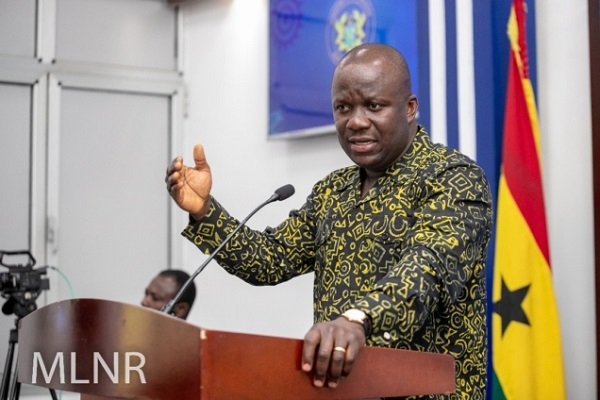
The Member of Parliament for Damongo, Samuel Abu Jinapor, has urged the government to take immediate steps to reform Ghana’s cocoa sector, warning that farmers and the industry at large are facing serious challenges that require honest acknowledgment and decisive action.
Speaking on the floor of Parliament on Tuesday, Mr. Jinapor drew comparisons between Ghana and neighbouring Côte d’Ivoire, noting that the two countries share similar population sizes and cocoa industry structures. Despite these similarities, he pointed out that Ghanaian cocoa farmers are currently receiving lower producer prices than their counterparts across the border.
He stressed that this disparity is troubling, particularly because Ghana is globally recognised for producing premium-quality cocoa. According to him, Côte d’Ivoire has managed to maintain stronger producer prices even while navigating the same global pressures, including fluctuating international prices and external economic shocks.
Mr. Jinapor, who also serves as the Ranking Member of Parliament’s Foreign Affairs and Regional Integration Committee, said the contrast should prompt serious reflection on Ghana’s domestic policy choices and the management of the cocoa sector.
He further expressed concern over what he described as one of the most significant reductions in cocoa producer prices in the country’s history. He noted that such a development has not been witnessed in the post-independence era dating back to 1957 under Kwame Nkrumah.
Calling for accountability, the legislator urged the government to adopt a more responsive and informed approach to managing the cocoa industry. He emphasised the importance of transparency in cocoa trading, sound decision-making, and policies that place farmers’ welfare at the centre of sector reforms.
His remarks come at a time when Ghana’s cocoa industry—long regarded as a cornerstone of the national economy—is grappling with pricing concerns and structural challenges. Observers say the ongoing debate highlights the need for sustainable policies that protect farmers’ incomes while strengthening Ghana’s competitiveness in the global cocoa market.