An interview granted by NPP communications team member Benjamin Gyewu-Appiah, popularly known as Benghazi, has stirred public discussion after he linked a controversial viral video to government policy.
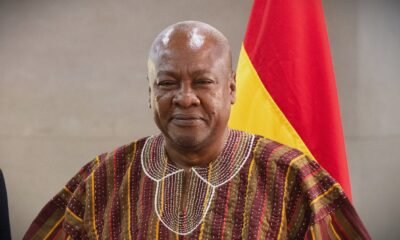
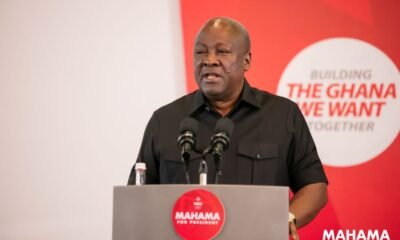
Speaking during the interview, Gyewu-Appiah blamed President John Mahama for circumstances surrounding a Russian man allegedly secretly filming Ghanaian women. He argued that the situation reflects deeper economic challenges, claiming that the government’s failure to implement the proposed 24-hour economy policy has left many women economically vulnerable.
He emphasised that Ghanaian women should not be reduced to objects of exploitation, stating that “Ghanaian women are not cheap,” a remark that has since triggered mixed reactions across the country.
The viral video at the centre of the controversy has raised serious concerns about privacy, exploitation, and the safety of women, with many calling for a thorough investigation and accountability for any wrongdoing.
While some supporters interpret Gyewu-Appiah’s comments as a defence of women’s dignity, critics argue that connecting the incident to government economic policy oversimplifies a complex issue involving personal conduct, digital ethics, and law enforcement.
The discussion has also revived debate around the proposed 24-hour economy policy, which proponents believe could expand employment opportunities and reduce economic hardship if fully implemented.
Meanwhile, gender advocates and civil society organisations continue to stress the need to protect women’s rights, enforce privacy laws, and promote respect in both online and offline spaces.
As public reactions continue to unfold, many observers are urging a balanced response—one that prioritises justice for victims while avoiding the politicisation of issues that directly affect personal safety and human dignity.