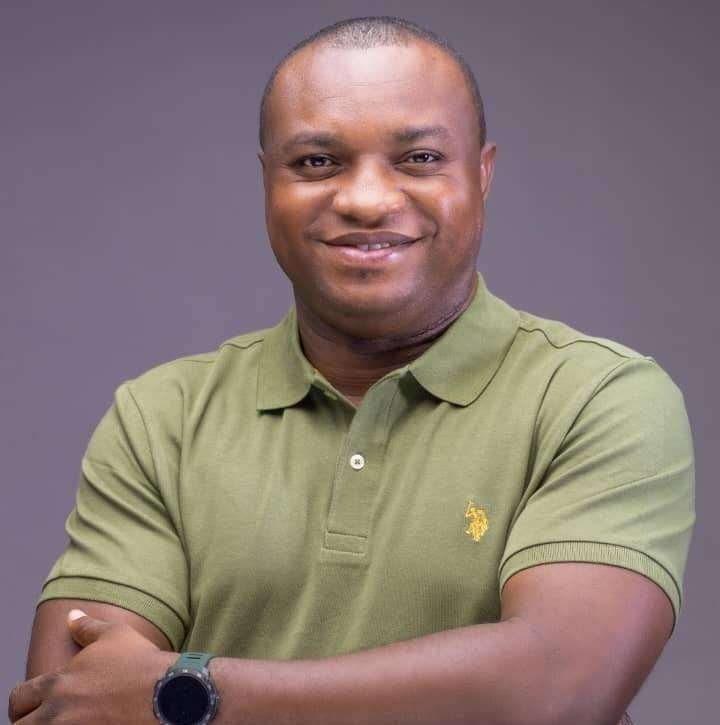
Deputy Defence Minister Ernest Brogya Genfi has assured Ghanaians that the Ministry of Defence continues to operate effectively despite the absence of a substantive Defence Minister, dismissing claims that the situation threatens national security.
His comments come amid growing public debate linking recent security incidents, including attacks on fishing vessels, to the delay in appointing a minister. However, Mr. Brogya Genfi insists such concerns are misplaced.
Security Structure Still Intact
Speaking on Asempa FM’s Ekosii Sen programme, the deputy minister stressed that Ghana’s security framework remains functional, noting that the President, as Commander-in-Chief of the Ghana Armed Forces, holds ultimate authority over defence matters.
He explained that the existing leadership structure — including an acting minister, the deputy minister, and the national security high command — continues to ensure stability and effective operations.
“Is there any security crisis that we have been unable to address due to the lack of a defence minister?” he questioned, urging the public to focus on outcomes rather than personalities.
Appointment Is President’s Constitutional Duty
Mr. Brogya Genfi emphasised that appointing ministers is the exclusive constitutional responsibility of the President and should not be rushed due to public pressure.
He noted that in some countries, presidents directly oversee defence portfolios, citing Ghana’s first President, Kwame Nkrumah, as an example of a head of state who once held the defence role.
According to him, the deputy minister’s role is to support the minister in executing constitutional duties, ensuring continuity even when a substantive minister has not yet been named.
Calls for Patience
Rejecting suggestions that the delay has weakened national security, Mr. Brogya Genfi urged the public to allow the President the time needed to make the appointment.
He maintained that the ministry’s effectiveness should be judged by its performance and ability to respond to threats, rather than by who occupies the ministerial seat.