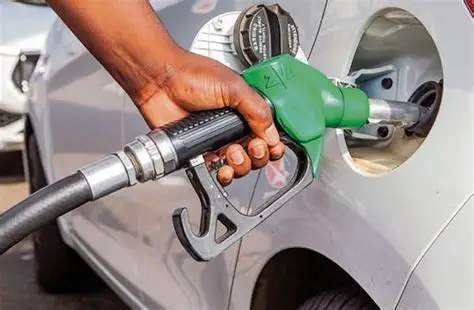
After a month of steady reductions, fuel prices in Ghana may be heading for their first increase of the year, as a combination of currency weakness and rising international oil prices begins to exert pressure on pump prices.
Industry projections suggest that petrol, diesel, and liquefied petroleum gas (LPG) could all record upward adjustments in the upcoming pricing window, potentially bringing January’s run of price declines to an end.
According to estimates from the Chamber of Oil Marketing Companies (COMAC), petrol prices could rise by about 2.10 per cent, while diesel is expected to see a sharper increase of approximately 5.10 per cent. LPG prices are also projected to climb by around 1.09 per cent.
COMAC attributes the anticipated increases largely to developments on the international market, where petroleum product prices have moved sharply upward within the current pricing window. Petrol prices globally have risen by 2.12 per cent, diesel by 6.73 per cent, and LPG by 3.66 per cent.
These increases mirror the surge in crude oil prices, which jumped in early February from about $62.50 per barrel to $67.40 per barrel, reversing earlier downward trends.
Compounding the pressure is the recent depreciation of the cedi, which weakened from GHS10.90 to GHS10.98 against the US dollar — a decline of roughly 0.77 per cent. The weaker currency increases the cost of importing petroleum products, further pushing up projected pump prices.
If the adjustments are fully passed on to consumers, petrol is expected to sell at around GHS11.48 per litre, while diesel — which is projected to experience the steepest hike — could rise to approximately GHS12.77 per litre. LPG prices are also forecast to increase to about GHS13.50 per kilogram.
However, COMAC notes that prevailing market competition may soften the impact of the projected increases. Strong rivalry among oil marketing companies could lead some marketers to absorb part of the cost increases in order to maintain existing pump prices and retain customers.