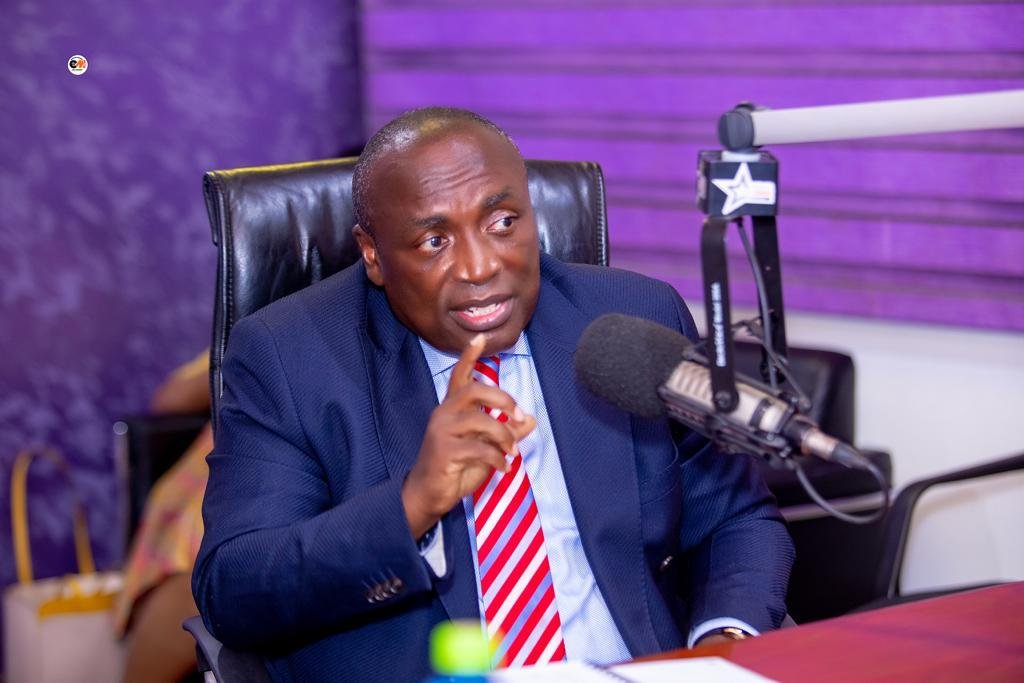
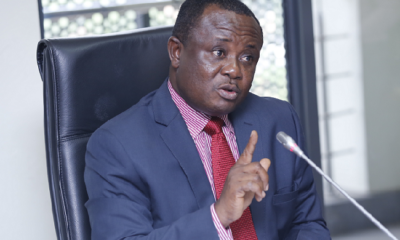
New Patriotic Party (NPP) presidential aspirant Ing. Kwabena Agyei Agyepong has strongly criticised religious leaders who have publicly issued prophecies predicting the outcome of the party’s presidential primaries, describing the practice as inappropriate and troubling.
Speaking in an interview with JoyNews, Mr Agyepong argued that the core responsibility of pastors and prophets is to preach the gospel, not to wade into partisan political contests. In his view, making public declarations about who will win internal party elections blurs the line between faith and politics.
He expressed concern about what he described as the growing politicisation of church spaces, questioning why political conversations have become common during religious services. According to him, churches should remain focused on spiritual guidance rather than political forecasting.
While acknowledging the role of spirituality in people’s lives, Mr Agyepong stressed that faith should not be used as a tool to directly influence political choices. He noted that God communicates with individuals in different ways and that such interactions are personal, not meant to be turned into public political statements.
He maintained that recent prophecies linked specifically to the NPP presidential race have crossed acceptable boundaries. Describing the tone and nature of some of these declarations as excessive, he said he does not allow them to distract or influence his campaign.
Mr Agyepong further emphasised that the outcome of the primaries ultimately lies in the hands of the party’s delegates, not religious figures. He explained that each voter approaches the ballot guided by personal convictions, beliefs, and conscience.
According to him, voting decisions are often fluid and can even change at the last moment. He noted that delegates may arrive at the polling station with one choice in mind but leave having voted differently, underscoring that the final decision is deeply personal and beyond the reach of public prophecies.