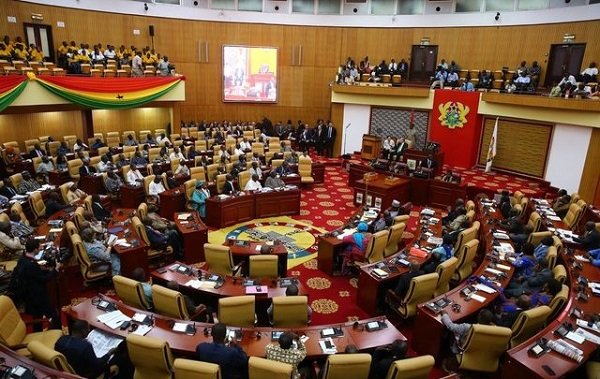
A heated debate has emerged in Parliament over government’s plan to establish a 24-Hour Economy Secretariat, with the Minority rejecting the proposal and describing it as unnecessary.
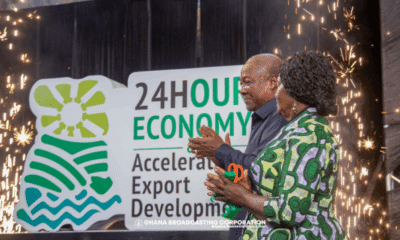
The legislation, introduced by the Attorney-General, is meant to give effect to the National Democratic Congress’s flagship 24-hour economy policy — a central promise during the 2024 elections.
Minority: policy will create offices, not jobs
During deliberations, Minority Spokesperson on the Economy, Kojo Oppong Nkrumah, argued the bill focuses more on setting up a new state institution than delivering real economic change.
According to him, the proposed structure would only expand government administration without addressing productivity or employment.
He maintained that many global cities operate continuous economic systems without establishing special authorities, citing New York, Tokyo, London, Bangkok, Dubai and Berlin as examples.
Oppong Nkrumah warned the initiative would instead introduce a publicly funded entity requiring a chief executive, staff, board and operational budget — ultimately increasing state expenditure.
He further cautioned that the proposal risks creating unrealistic expectations among young people who may assume the secretariat itself will generate jobs.
Majority: secretariat meant to coordinate, not replace industry
Majority Leader Mahama Ayariga rejected the criticism, explaining that the proposed body is not designed to directly run businesses or create employment.
Instead, he said, its role would be to synchronise government agencies and private sector actors whose combined activities would enable round-the-clock productivity.
He described the structure as a coordinating platform intended to ensure different sectors operate efficiently enough to support a true 24-hour economy.
The disagreement highlights the broader political divide over how Ghana should implement the policy — whether through institutional coordination or market-driven adjustments without a dedicated authority.