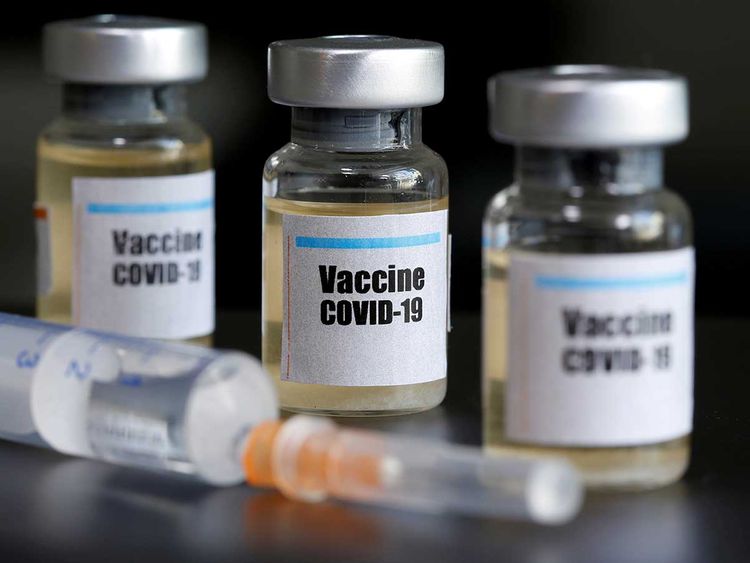
Ghana is targeting a herd immunity of its population as it expects to vaccinate sixty percent of its population.
Authorities have said that the country is set to begin vaccination of some twenty-million persons from the first week of March. The exercise is expected to continue till October.
Already, the country under the World Health Organization’s COVAX initiative, has received 600,000 doses of AstraZeneca COVID-19 vaccine made by the Serum Institute of India (Covishield).
But Immunologist at the West African Centre for Cell Biology of Infectious Pathogens (WACCBIP), Dr. Yaw Bediako has spoken on the potential pitfalls if we fail to vaccinate as many people as we can. and hit the 20 million people threshold.
In an interview with Samuel Eshun on e.TV Ghana’s Fact Sheet show, he spoke on the importance of herd immunity when he explained: “If we don’t vaccinate more people, the problem then is COVID is not eliminated and as I said the vaccine efficacy is said to be 12-18 months so you begin to reach a point where even those you have vaccinated would begin to lose their immunity and now you are right back to where you started.
The danger is that if we don’t vaccinate enough people then all of this is for nothing. Because we will then have to revaccinate everyone all over again. So we have to get this right the first time. I don’t think we can afford to get it wrong otherwise it will be a huge waste of resources”.
He was positive that with about the eight months window we have set and the Government’s proactiveness in reaching out for other vaccines such as Sputnik V, other than what is provided by COVAX, the target can be met.
Ghana has become the first country to receive vaccines through the UN-backed COVAX scheme. Ghana expects to receive more doses from the facility in the coming months.
Meanwhile, Russia has offered to supply 300 million doses of its Sputnik V vaccine to the African Union scheme along with a financing package.
Herd immunity is a form of indirect protection from infectious diseases that can occur with some diseases when a sufficient percentage of a population has become immune to an infection, whether through vaccination or previous infections, to reduce the likelihood of infection for individuals who lack immunity.