POLITICS
Mahama Can Debate With “Kyiri Abosom” And Akua Donkor, Lawyer Obiri Boahen.

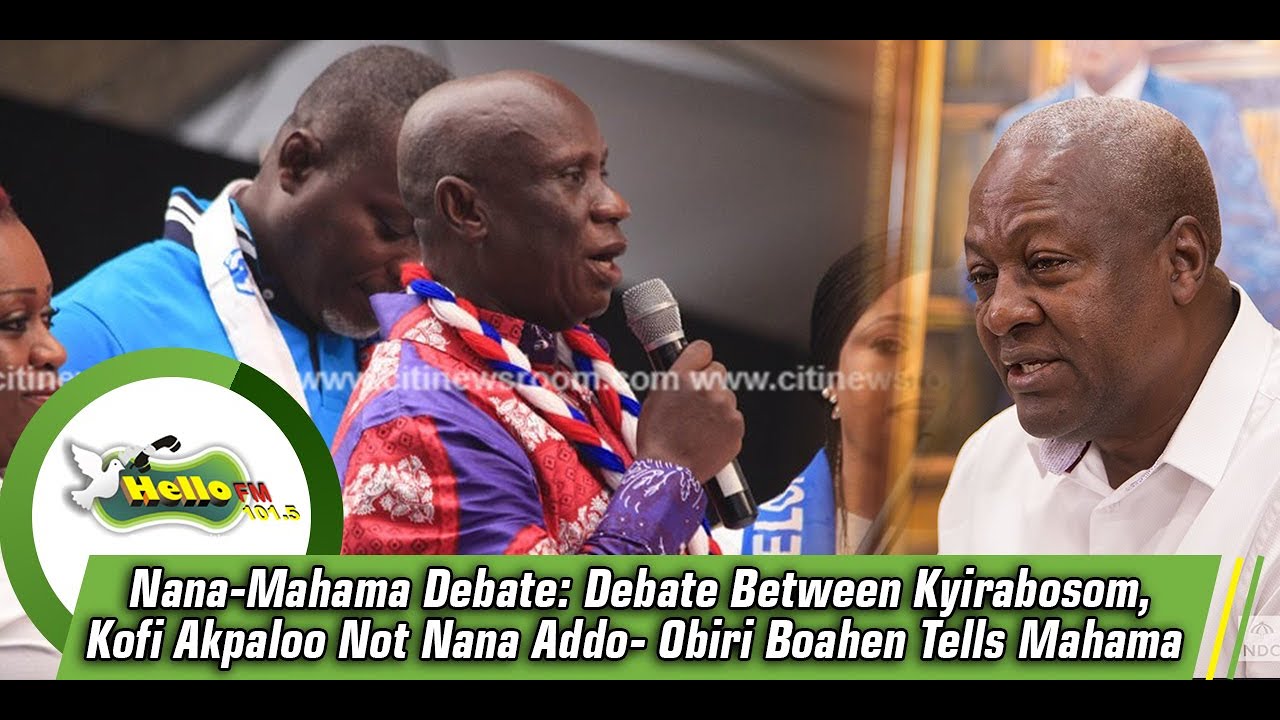
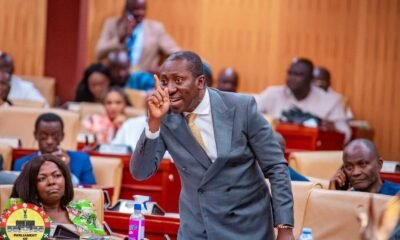
The Deputy General Secretary of the ruling New Patriotic Party (NPP), Nana Obiri Boahen says the seat of the Presidency will be lowered if President Akufo-Addo debates former President John Mahama.
The flagbearer of the opposition National Democratic Congress (NDC) has challenged President Akufo-Addo to a debate on infrastructure.
The former president believes such a move will put to rest the argument about records of the two leading parties.
The NPP is however against the debate.
Below Standards
Nana Obiri is of the view that for a sitting President to debate a former President who is staging a comeback is odd, disingenuous and below standards.
” . . you don’t have to lower the standard, you don’t lower it, don’t lower the bar, don’t lower the position of the presidency . . . “ he said.
“if it is a contest between NPP as a party and NDC as a party fine . . . when you have a former President who was kicked out of office not by a coup d’etat but by the good people of Ghana and then he wants to stage a comeback, for me, it’s quite odd . . . quit disingenuous,” Nana Obiri Boahen said in an interview on Kumasi based Hello FM.
Other options for Mahama
Nana Obiri Boahen has meanwhile asked President Mahama to send the invitation to other candidates like Kofi Akpaloo, Akua Donkor and Osofo Kyiriabosom since that will be understandable.


“As a former President, by now you should be writing your own books,” he added.