GENERAL
Scrap out V8 cars from government convoy- Israel Laryea; Ghanaians approve.

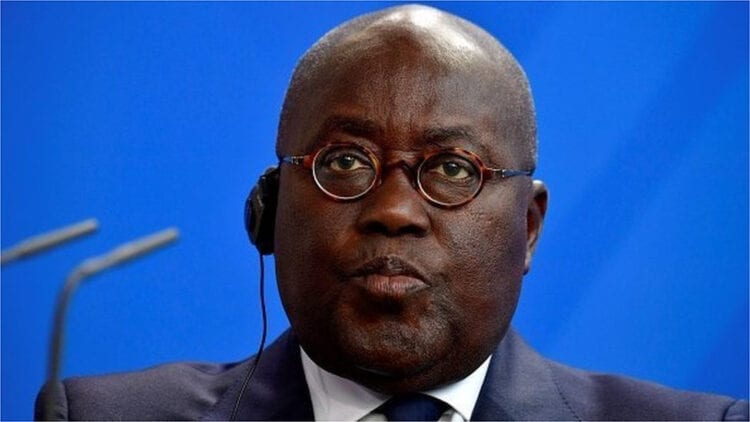
Ghanaians support Israel Laryea as he advocates that government should boycott fuel-guzzling V8 cars from its convoy.
According to the seasoned journalist, drivers behind these vehicles tend to ignore road regulations, which is a nuisance to tax-paying road users. He reasoned that if convoys held up in traffic, then maybe government officials would find solutions to the insane traffic situations.
He wrote, Let’s #ResetGhana by getting rid of the fuel-guzzling V8s from the government’s fleet. After all, most of the time, all they do is bully other road users as if the rest of us who have to endure the traffic don’t pay taxes. If we all endure the traffic together, those who have to do something about it may just start working.”

This post generated a lot of interest from Ghanaians on Facebook as they showed support for the initiative. Some thought this move would be a great idea to have government officials experience what citizens go through. Then maybe this experience would press them to do something about the problems in the country. Other Ghanaians rationalize that the cost of such vehicles should go into refurbishing the crippling healthcare system in the country.


On the other side, some people argued that politicians would misbehave regardless of the vehicles used. Conferring to some comments on the post, officials have urgent governmental meetings. So they should not get stuck in traffic with ordinary citizens.