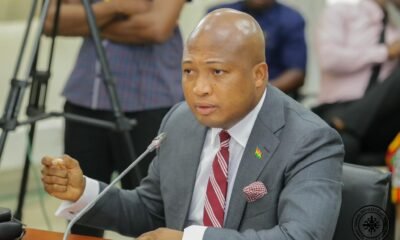
Rev. John Ntim Fordjour, the deputy education minister, has indicated that the Akufo-Addo-led government will promptly address the welfare of teachers.
According to him, the government finds the affairs of teachers a major concern, therefore, the government is doing everything possible to make sure teachers have better conditions of service.
Speaking at the 90th-anniversary celebration of the Ghana National Association of Teachers (GNAT) in Accra on Wednesday, the minister said plans are underway to launch a Teacher Welfare App that will address all the outstanding issues of teachers which includes teacher upgrading, recent promotion challenges, allowances and other tenable concerns would be tackled with alacrity.
He explained, “there will also be the deployment of case managers to every region to address and timeously resolve the concerns of teachers as part of efforts to make life better for them”.
The occasion which was also used as an investment forum was on the theme: “Beyond Teachers’ Fund; Making the Teacher Economically Sound.”
Rev Ntim Fordjour told the leadership and members of GNAT that teachers across the country have contributed immensely to the socio-economic development of the nation.
The Teacher Welfare App, an initiative of the Education Minister, Dr Yaw Osei Adutwum, is expected to help mitigate, to a large extent, the many challenges relating to the welfare and management of teachers.