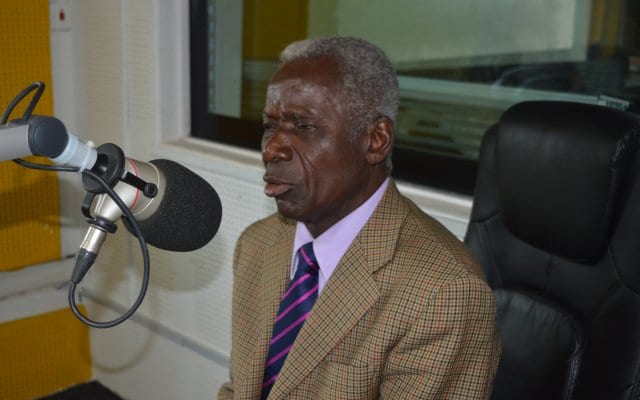
A former Chief of Defence Staff, Retired Brigadier-General Joseph Nunoo-Mensah, has warned that the happenings in South Africa can be replicated in Ghana if the current economic trend does not change.
Brigadier-General (rtd) Nunoo-Mensah condemned the violence and looting in South African and said “it is not good, it is bad but if Ghana is not careful, the price that we have to pay would be more than what is happening in South Africa”.
Dozens of people have died amid looting and rioting in some parts of South Africa over the arrest of former President Jacob Zuma on corruption charges.
Shopping centres and businesses in the Gauteng and Kwazulu-Natal provinces have been ransacked.
The violence is said to have over-stretched the police and the military have been deployed to offer support.
Discussing the issue on Onua TV and Onua FM’s Maakye hosted by Captain Smart on Thursday, July 15, Brigadier-General (rtd) Nunoo-Mensah said: “South Africa is a very developed country but they are tired and fed up with their leaders.”
“We are in Ghana and this is happening in South Africa. We have to be careful because we are storing chaos and anarchy. We should be careful.”
He added: “Ghana has already been destroyed and the youth must stand up. What kind of country is this?”
The former Presidential Security Advisor noted that “It’s stupidity of the highest order and it got to stop because the future of the youth is being destroyed”