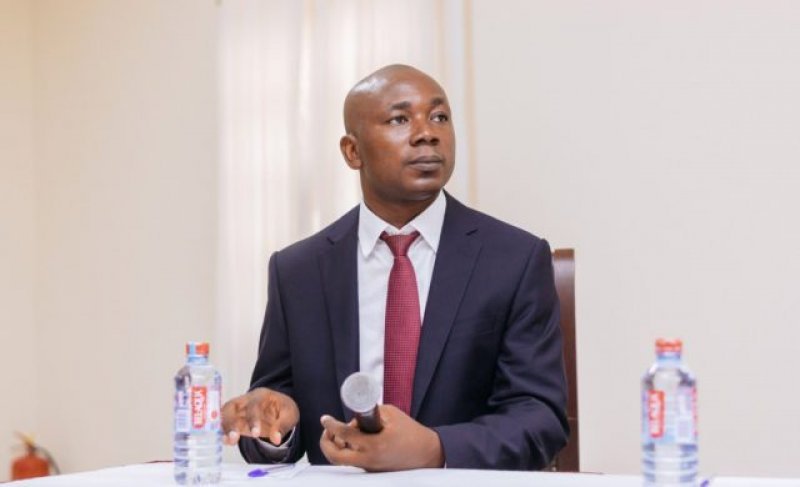
As Ghana edges closer to the end of its International Monetary Fund (IMF) programme, economist Professor Godfred Bokpin says allowing the arrangement to run slightly longer is essential to avoid a rushed and disorderly exit.
His comments follow the IMF Executive Board’s approval of Ghana’s fifth programme review, which included a three-month extension, shifting the programme’s conclusion from May to August. According to Professor Bokpin, the extension should be seen as a deliberate policy choice rather than an emergency adjustment.
He explained that the request for additional time originated from the Ghanaian authorities themselves, reinforcing the point that IMF programmes are entered into and managed at the discretion of national governments.
“This is why we call it an IMF-supported programme,” he noted, stressing that the initiative and ownership lie with Ghana.
Professor Bokpin said the approaching deadline made the extension inevitable. With the programme originally approved on May 17, 2023, and set to formally lapse by December 31, 2025, the remaining window was too narrow to responsibly conclude all outstanding commitments.
Without extra time, he argued, Ghana would have exited the programme within days, leaving key structural benchmarks and technical reforms incomplete, which could weaken policy credibility.
Rather than focusing on the financial aspect of IMF support, Bokpin urged attention to the reform architecture embedded in the programme. He noted that the long-term value of IMF arrangements lies in institutional strengthening, fiscal discipline, and governance reforms, not just disbursements.
“The real gains come from what we agreed to reform, especially on the structural side,” he said.
From that standpoint, the extension, he maintained, is not a delay but a risk-management tool—one designed to consolidate reforms, safeguard credibility with investors and development partners, and ensure a smoother transition into the post-programme phase.