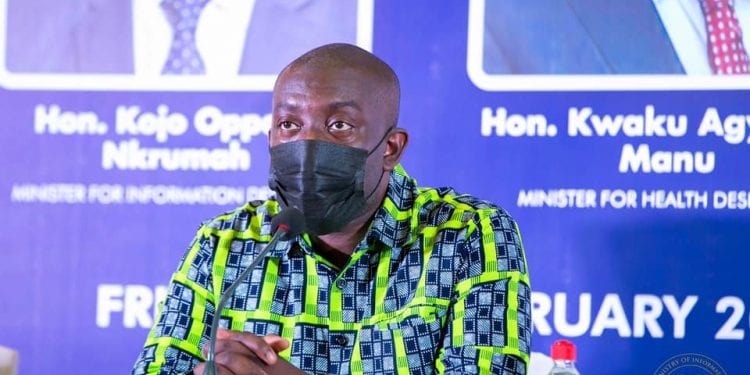
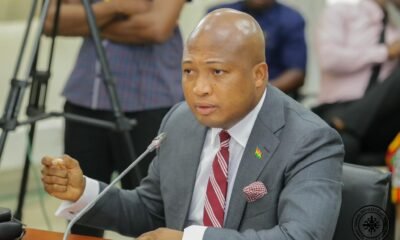
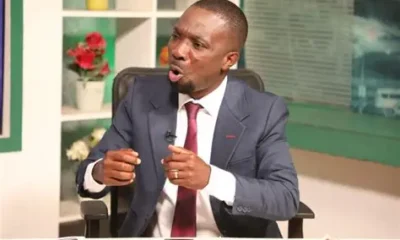
Kojo Oppong-Nkrumah has explained that as a way of staying on the ball and doing his work effectively, he makes great efforts at avoiding social media comments about him.
He added that too many negative comments abound online and could easily demoralize a person, hence his decision to be tactful in what he reads from social media that have to do with him.
“I try not to read them, you can get swollen headed, you can get broken in your spirit. What you need to do is to focus on the work. So, I try not to read them.
“I hear people say all sorts of things but for social media comments, I try not to read them. But if I know anything about this place, the same people who said ‘Hosanna Hosanna’ are the same people who said ‘crucify him’. So, I take some of these things with a pinch of salt.”” he said on entertainment show, E Vibes on JoyNews.
He made this known in reacting to a question on whether he is nursing presidential ambitions.
Kojo Oppong-Nkrumah, who is the Member of Parliament for Ofoase-Ayirebi is of the firm belief that his decisions for the future should be left to fate because what matters now is what he is currently doing.
“There are people who think I do a good job, there are people who think that I do a terrible job, that I have become a liar and all sort of stuff. I get feedback. I try not to read on, I try to keep my eyes on the job. When I’m done with my tenure, posterity will judge,” he said.