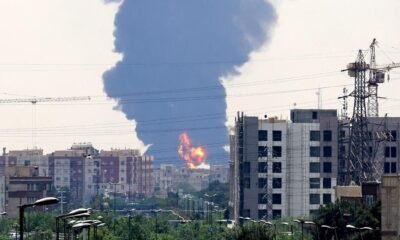
Following several controversies surrounding the burning of mining equipment belonging to illegal small-scale miners popularly known as galamseyers, the Head of European Union delegation to Ghana has added her voice. Diana Acconcia thinks the move by government is a step in the right direction.
According to her, it is better to burn the seized excavators on site than to only confiscate them at a designated location.
In an interview on Asaase Breakfast Show Tuesday, July 6, the EU head said,
“Look, I can tell you this, these excavators were burnt because there were performing illegal activities so I’m not personally shocked by the fact that instruments of illegal activity are seized and are burnt,” she said.
“I’m not entering into the merit of the methods in detail but I’m really not shocked that some illegal instruments have been seized and burnt. It is better to burn them. I think a couple of years ago, they disappeared…it’s better burning them than for them to be used for illegal mining,” she added.
Though some Ghanaians believe that the government has lost the fight against the canker which is eating up the country, the Minister of Lands and Natural Resources, Samuel Abu Jinapor has noted that his outfit is ready to end galamsey abruptly without fear nor favour.
The Defence Minister, Dominic Nitiwul on the other hand also promised that all equipment of illegal small scale miners seized will be burnt on site.