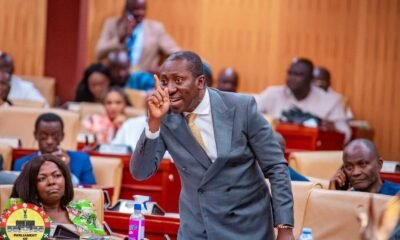
About a week ago, Member of Parliament for Ningo-Prampram constituency, Sam Nartey George described Martin Amidu as someone who has been devoured by jealousy and hatred.
His description of the-then Special Prosecutor followed a release of a corruption risk assessment conducted on the Agyapa Royalties deal which also cited former President John Dramani Mahama as Government Official One.
Given the opportunity to explain the reasons for his comments against Mr Amidu during an interaction with GhanaWeb, on November 11, 2020, Sam George minced no words at all in reiterating his words.
“Martin Amidu, I think he’s a bitter old man who’s allowed his envy and hatred for president Mahama to eat him up. I think he’s too opinionated and I think that’s going to destroy him.”
According to the Ningo-Prampram MP, Martin Amidu has failed to address the several acts of corruption perpetrated by some personalities in the Akufo-Addo administration.
Sam George further stated that “…If Martin Amidu thinks he has an opinion about everybody, everybody else can have an opinion about him and I think that he’s failed.”
Fast forward, barely a week after this interview, Martin Amidu has announced his resignation as the first Special Prosecutor of Ghana.
In his resignation letter he cited the interference by the presidency in his work, particularly the Agyapa Royalties deal and the death of former president Jerry John Rawlings.