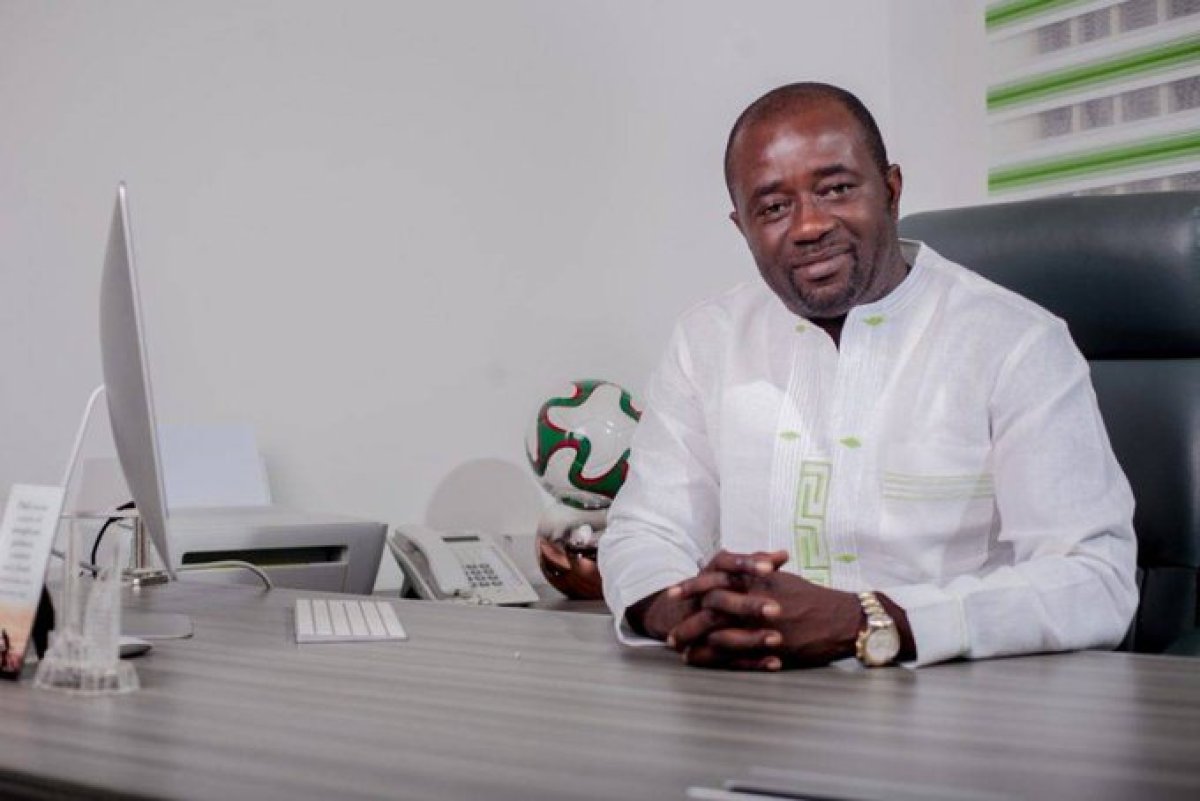
When Kurt Okraku was swearing the oath of office on that fateful day of October 25, he was not unaware of the fact that the workload that awaited him was humongous.
For close to two years competitive football was nonexistent and the image of the sport in the country was in the gutters.
The national teams were underperforming at various international competitions and the foundation of the sport had crushed.
The electioneering campaign deepened the cracks which already existed before the great Nyantakyi era was toppled by an earth-shattering investigative documentary.
So, when the young vibrant Okraku signed up for the post, he knew exactly what he was getting himself into.
It has been some seven months since his administration commenced their works and the jury is still out on them.
His opponents have been consistent voices of criticism. Being a divisive figure and a symbol of competence are just two of the numerous accusations that have levelled against him.
He is generally impressed with the ‘strong foundations we are laying’ and working hard to ensure that Ghana football returns to its apex.
Why did his administration let go of Kwasi Appiah and employ his assistant? He reveals in this interview.
Kurt, an avowed Christians opens up about his family, connection with God and his favourite musician Shatta Wale whose words inspires him most.
He also denies claims of sidelining his opponents and reveals the benefit an autonomous Ghana Premier League will have on the products of the association.
Source: Ghanaweb