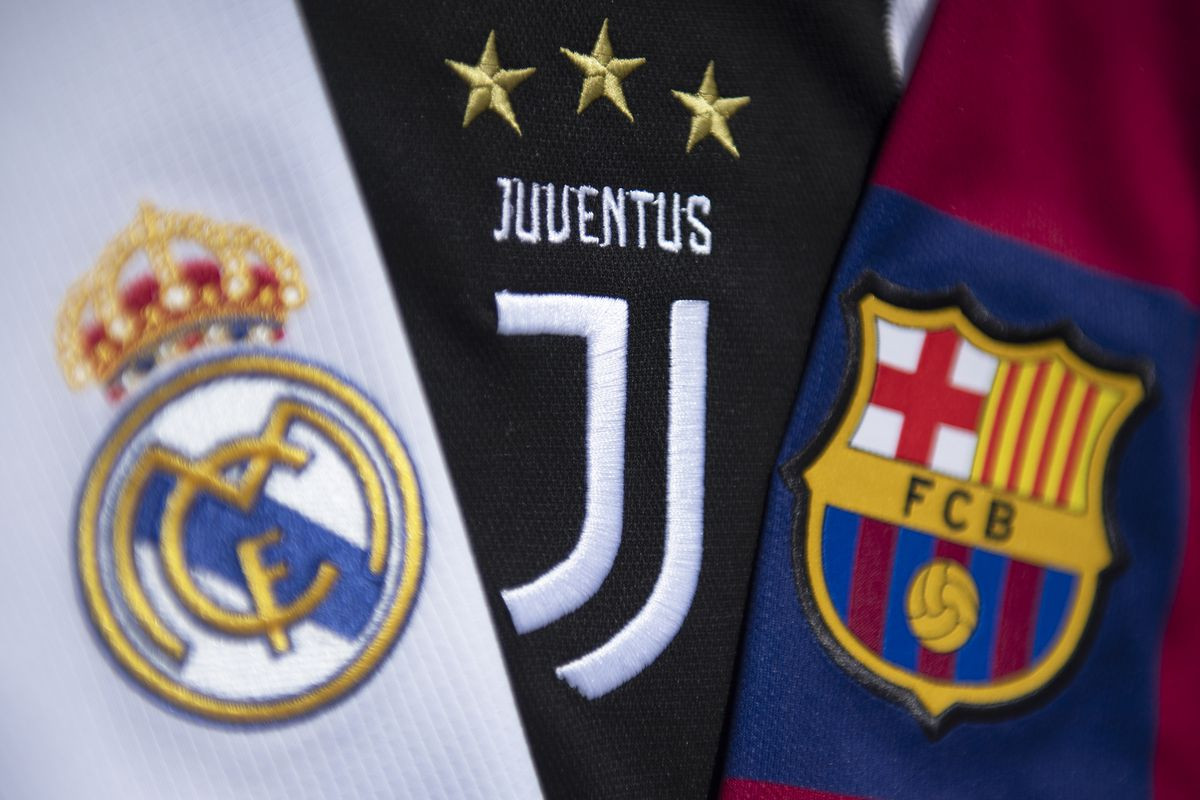
UEFA has opened disciplinary proceedings against Real Madrid, Barcelona and Juventus over their attempts to launch a breakaway Super League.
The clubs are the only three of the original 12 to have not distanced themselves from the project despite heavy criticism from fans and football pundits.
“Following an investigation conducted by UEFA Ethics and Disciplinary Inspectors in connection with the so-called ‘Super League’ project, disciplinary proceedings have been opened against Real Madrid, Barcelona and Juventus FC for a potential violation of UEFA’s legal framework,” UEFA said in a statement.
“Further information will be made available in due course.”
The European football body’s statutes include a section on “prohibited groupings” of clubs or leagues forming without UEFA’s permission or outside its control.
The Super League was launched with 12 clubs as founding members, but nine of them Manchester United, Liverpool, Manchester City, Chelsea, Tottenham Hotspur, Arsenal, AC Milan, Inter Milan and Atletico Madrid — have since backed out and reached a deal with UEFA.
Last month, UEFA president Aleksander Ceferin warned the clubs that “if they say we are a Super League, then they don’t play Champions League, of course.”
UEFA’s move raises the prospect of the three clubs being sanctioned, with some reports suggesting they face expulsion from UEFA competitions such as the Champions League for a period of two years.