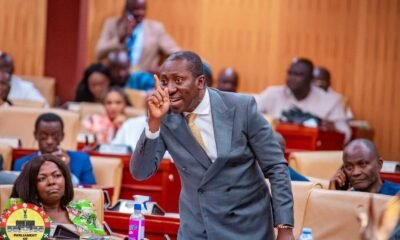
Professor Ransford Gyampo, newly elected Secretary of the University Teachers Association of Ghana, UTAG, has averred that deaths don’t result from their industrial action unlike in the case of doctors.
He has also reiterated a call to President Nana Addo Dankwa Akufo-Addo to intervene in UTAG’s impasse with the National Labour Commission, NLC, in order to end their weeks long strike action.
In an interview, Gyampo told Paul Adom-Otchere on the August 12 edition of Good Evening Ghana programme on Metro TV that students should rest easy and that their academic year could always be reset and rescheduled.
“Those of you students who want to become lecturers, if you become lecturers, things will be fine for you and so we are pleading with you.
“You see, when doctors go on strike people die, but when lecturers go on strike you won’t die. We would always be able to reschedule your academic calendar and lecture timetable and then we will teach you.
“So, you won’t die,” he said in response to an appeal by a viewer asking that they reconsider their stance on the issue.
Prof Gyampo is on record to have said that if government wanted, they should fire all UTAG members because they were not going to return to the lecture halls until their demands, which have been pending since 2012, are met.
“Because if we don’t do it now, like I said, we have been negotiating from 2012 till now, nothing is coming up and so now we have moved beyond negotiations, they are calling meetings upon meetings,” he stressed.
UTAG has defied an NLC order to return to their posts and also to the negotiating table despite a court order also aksing them to call off the strike.