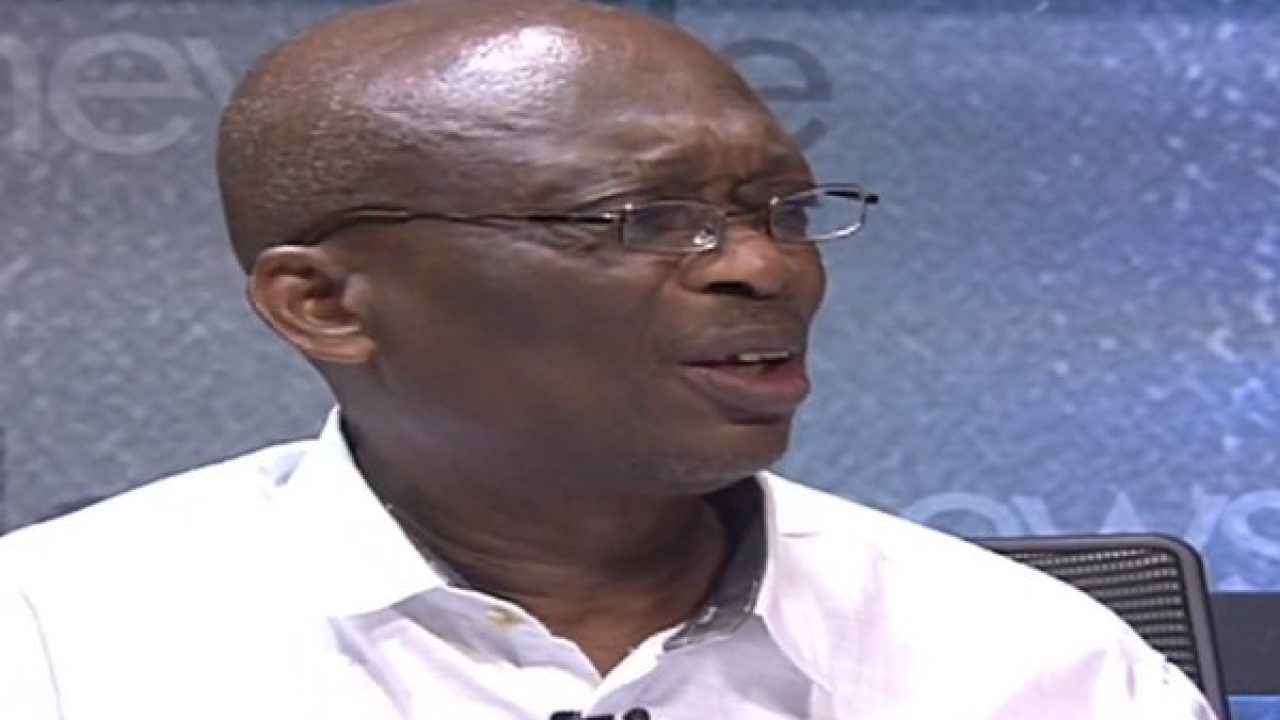
Editor-in-chief of The New Crusading Guide, Abdul Malik Kweku Baako Jnr, has disclosed that some V8 vehicles parked at the premises of the National Security were part of a fleet seized via a court order.
He said the vehicles were seized from CEO of defunct gold dealership firm, Menzgold, Nana Appiah Mensah, NAM1; adding that they had been seized after an application put before the court by the Economic and Organized Crimes Office, EOCO.
Kweku Baako Jnr was addressing the issue of vehicles parked at the premises of the National Security offices in Accra, which led to the arrest and assault of Citi News journalist Caleb Kudah earlier this week; after he went to the premises to photograph some ‘abandoned’ cars.
“There are also other vehicles there. The reference to V8, those are NAM1 vehicles, that EOCO got a court order to preserve.
“I am told that now the EOCO has been asked by the Attorney General’s department to proceed to get the court order to dispose of them,” he said whiles making submissions on Joy FM’s news analysis program, News File.
GhanaWeb monitored his submissions in which he also explained why some 12 vehicles belonging to the Microfinance and Small Loans Center (MASLOC) remained parked at the premises.
“There is a supply agreement between the supplier and MASLOC that those twelve are non-functional because of engine defects, so they are still there, that is a fact,” he stressed.