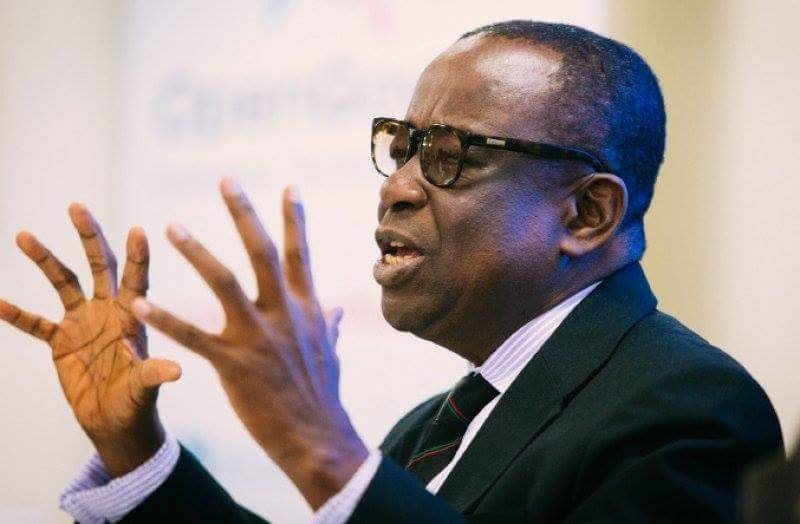
The National Security Minister-designate, Albert Kan-Dapaah, has said his ministry is trying everything possible to resolve the murder case of murdered Tiger Eye PI journalist, Ahmed Hussein Suale.
The investigative reporter was shot dead by two assailants on January 16, 2019.
Appearing before the Appointments Committee of Parliament last Wednesday, Mr. Kan-Dapaah though revealed that Ahmed’s case remains the only unsolved among the high profile cases in the past four years, he noted that he has set a personal challenge to resolve his death.
“All high profile cases that have happened within the last four years have been resolved. Aside the Suale one, all of them have been resolved, and it is to our credit. The Ghana Police deserves commendation,” the former National Security Minister told the Appointments Committee of Parliament during his vetting Wednesday.
“We are doing everything possible to make sure we can find out just what happened. And I am as concerned as you are,” he added.
Two years on after the death of Ahmed Suale, the police is yet to make any arrest in relation to the murder of Ahmed Suale.
An artistic impression of the suspected assailants was released on his first year anniversary but the police are yet to make arrest years on.
Ahmed was shot while driving in his neighbourhood in January, barely six (6) months after the premiering of Number12, a documentary Ahmed was a key producer on.