Former UN Senior Governance Adviser, Professor Baffour Agyeman-Duah, has stated that he was not surprised by President John Mahama’s removal of Chief Justice Gertrude Torkornoo.
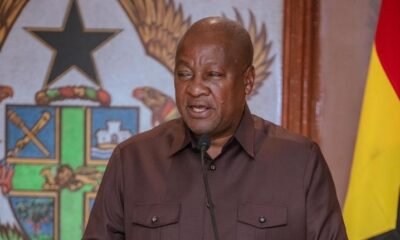
Speaking on JoyNews’ AM Show on Wednesday, September 3, the governance expert explained that the President and other National Democratic Congress (NDC) leaders had made their intentions clear long before assuming power in 2025.
“Certainly, for me, I wasn’t surprised because they stated it clearly before the election that they would do that, and they have done it,” he remarked.
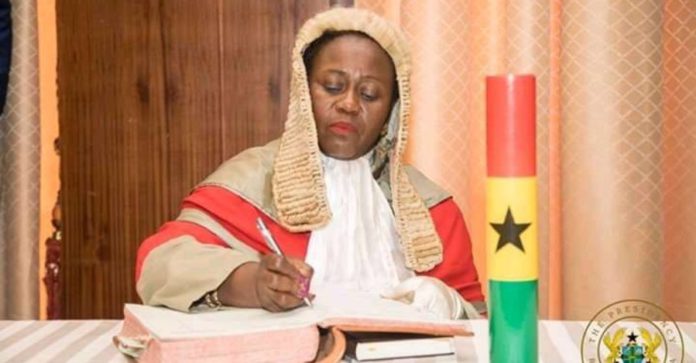
President Mahama, on Monday, September 1, announced the dismissal of Chief Justice Torkornoo with immediate effect, citing stated misbehaviour. The decision followed recommendations from a constitutional committee set up under Article 146 of the 1992 Constitution.
While acknowledging that the move was expected, Prof. Agyeman-Duah cautioned that it could undermine Ghana’s democratic framework.
“But I am looking at the replications, how this really affects the balance of power amongst the three key institutions of governance and the independence that they are supposed to have to ensure effective checks and balances,” he warned.
He further stressed that Ghana’s democracy could face danger if the Executive is perceived as overstepping its boundaries. “If the Executive decided to attack one, then there is a danger there,” he added.