• There is water scarcity in the country, per information from the Head of Surface Water Division of the Water Research Institute
• According to Dr. Emmanuel Obuobie, areas with such scarcity make up for 28% of the population
• He revealed this during a seminar organised to help find solutions to the menace of water scarcity resultant of galamsey
The number of people living in areas with scarce water in Ghana is 28 per cent of the country’s population, with a 2030 projection pegged to reach 46 per cent.
This, according to Dr. Emmanuel Obuobie, the Head of Surface Water Division of the Water Research Institute (WRI), even without the impact of galamsey, areas with scarce water include places like the Pra Basin, reports graphic.com.gh.
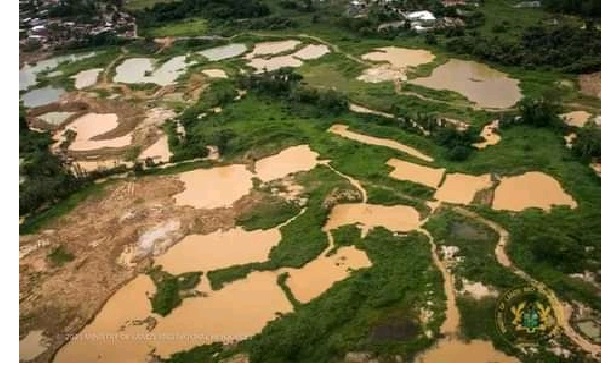
He explained that recent turbidity measurements show that galamsey activities have rendered both the Pra and Ankobra rivers unfit for any use without treatment.
He added that this has exacerbated the already dire water scarcity conditions of the people who depend on them for their daily use and benefit.
Dr. Emmanuel Obuobie was speaking at a day’s seminar aimed at finding the impact of illegal mining, popularly known as galamsey, and water security in Accra, where he stressed that water bodies play major roles in “our daily lives” for both domestic and industrial purposes.
The seminar was on the theme, “Galamsey and Water Security.”
He therefore hinted the dire consequences the country could face should there be water scarcity, calling for lasting solutions to avert this.
Providing answers to activities that could help in this regard, Dr Anthony Duah, a Senior Research Scientist and Head of Ground Water Division of the Water Research Institute (WRI), urged the general populace to put their shoulders to the wheel in finding lasting solutions to the menace of galamsey.
This, he added, will help protect the country’s water bodies and protect our forest covers.
“Results from studies carried out by the Centre for Scientific and Industrial Research (CSIR) Water Research Institute in recent times on the Southwestern Rivers system, which are being used by the citizens in the communities within the area for domestic purposes, recorded very high levels in colour, turbidity and total suspended solids.
“The levels recorded were far above World Health Organisation’s (WHO’s) recommended levels for fresh water. Furthermore, the heavy metals used in galamsey operations such as mercury for gold extraction adversely affects soil and water quality,” Dr Duah said.