GENERAL
Akufo-Addo loses former appointee.

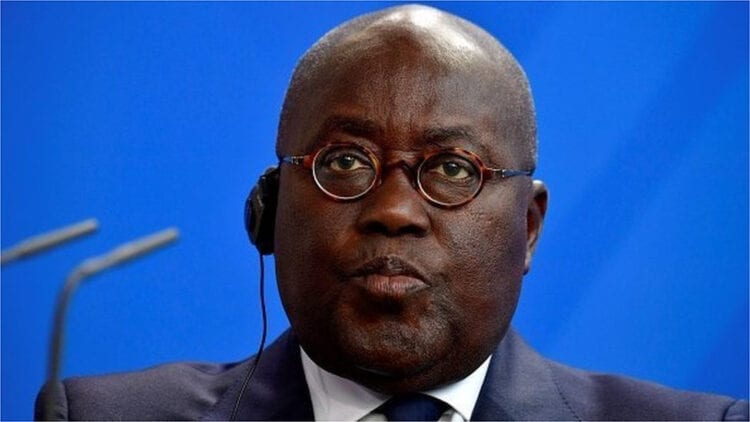
President Nana Akufo-Addo is mourning the death of Ambassador Albert Ekow Yankey, a former appointee who served during his first term.
Ambassador Yankey served as the Chief Director at the Ministry of Foreign Affairs and Regional Integration.
Though details of the death is not immediately known, the President took to his Twitter page to announce the death.
President Akufo-Addo, in a glowing tribute, said the nation had lost a great treasure.
“I am very saddened by the news of the death of Ambassador Albert Ekow Yankey, who served as Chief Director at the Ministry of Foreign Affairs and Regional Integration during my first term in office. Our nation has lost a consummate diplomat, and a devoted public servant,” he mourned.
He also extended his condolences to the bereaved family and the Foreign Affairs service.
The President’s announcement has generated tributes from many Ghanaians in his honour.
Read Akufo-Addo’s post below:
I am very saddened by the news of the death of Ambassador Albert Ekow Yankey, who served as Chief Director at the Ministry of Foreign Affairs and Regional Integration during my first term in office. Our nation has lost a consummate diplomat, and a devoted public servant. 1/2
— Nana Akufo-Addo (@NAkufoAddo) May 25, 2021
I extend my sincere condolences to his family and to Ghana’s Foreign Service. May his soul rest in perfect peace. 2/2
— Nana Akufo-Addo (@NAkufoAddo) May 25, 2021