There is a high expectation among private sector players about a GH¢600 million stimulus scheme for businesses that was launched on Tuesday, May 20, 2020.
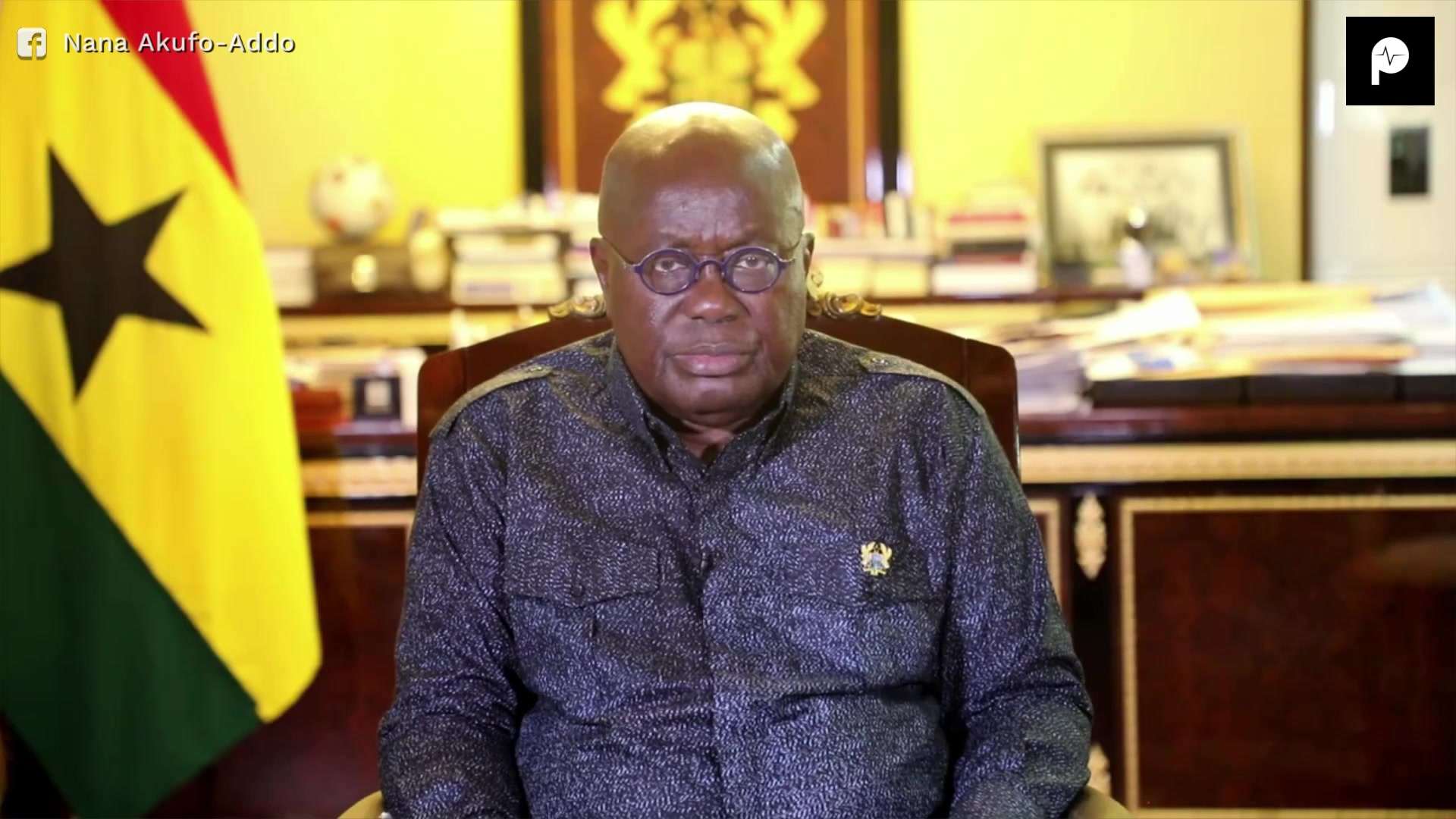
The GH¢600 million package was officially rolled out at the Jubilee House as part of a raft of government interventions to stimulate the growth of Small and Medium Enterprises (SMEs) in Ghana after the COVID-19-induced disruptions.
The financial assistance, to be disbursed by the National Board for Small Scale Industries (NBSSI), is also part of a GH¢1.2 billion Coronavirus Alleviation Programme (CAP) introduced in the wake of the pandemic.
The fund, dubbed the Business Support Scheme, is expected to be complemented by an additional GH¢400 million syndicated loan facility from commercial banks.
The total GH¢1 billion package is expected to support economic recovery efforts as the coronavirus pandemic hit at local businesses.
Private Enterprise Federation
While commending the government’s economic management team for the initiative, the Private Enterprise Federation (PEF), a non-political advocacy group for the growth of the private sector, said transparency in the administration of the fund by the NBSSI must be paramount.
CEO of PEF, Nana Osei Bonsu, wants the disbursing institution must it clear how the fund will be operated.
“How it [fund] is going to be operated and be accessed by the various businesses that may be needing it must be absolutely transparent,” said Mr. Bonsu on Wednesday.
The loan facility is projected to reach some 180,000 private businesses at a 3% interest to be paid back within two years after an initial one-year grace period.
According to the PEF CEO, while the terms of the loan are good, the government should go a step further to complement the stimulus scheme with a tax suspension initiative.
“The businesses are not going to make money right away. They are now going to process and lift themselves up, then recover and do things. So the tax liabilities that may come as a consequence of competitive activity and profit margins can be shelved for the time being, for at least six months, to get them to get at least a certain quantum before they pay their taxes,” he proposed.