Uncategorized
More than 150 migrants freed in raid on traffickers in Libya.

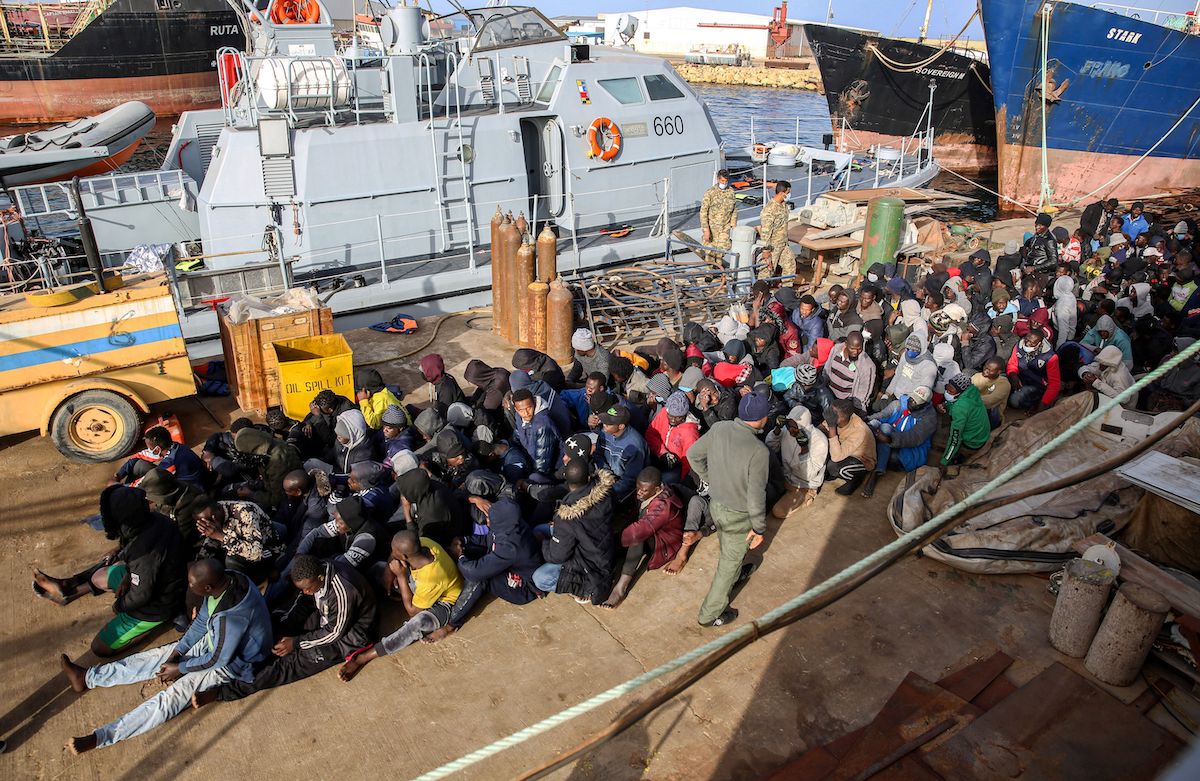
Libyan authorities say they have raided a secret prison in a southeastern city used by human traffickers and freed at last 156 African migrants – including 15 women and five children.
The raid in the city of Kufra took place on February 16 after a migrant managed to escape a house-turned-prison last week and reported to authorities that he and other migrants were held and tortured by traffickers there, the Kufra security bureau said.
Security forces arrested at least six traffickers and referred them to prosecutors for further investigation on Sunday, it said.
The rescued migrants, who were from Somalia, Eritrea and Sudan, were taken to a shelter where they were given food, clothes and blankets.
 156 migrants were rescued by Libyan authorities from human traffickers in the southeastern city of Kufra [Kufra Security Directorate/Facebook]
The raid shows the perils that refugees and migrants face in conflict-stricken Libya, which has emerged as an integral transit point for African and Arab migrants fleeing war and poverty to Europe.
Libya descended into chaos following the 2011 uprising that toppled and killed longtime ruler Muammar Gaddafi. The country is split between an internationally recognised government based in the capital, Tripoli, and a rival administration in the country’s east.
Traffickers have exploited the chaos and often pack desperate families into ill-equipped rubber boats that stall and founder along the perilous Mediterranean route.
Thousands have drowned along the way, while others have ended up detained in squalid smugglers’ pens or crowded detention centres.