The New Patriotic Party (NPP) is battling strong internal opposition over a proposed election reform that seeks to break with tradition by choosing the party’s presidential candidate before electing national, regional, and constituency executives.
This controversial move, described by critics as a “top-down” approach, reverses the NPP’s long-standing bottom-up electoral model. The decision, announced in June and scheduled for implementation with a January 31, 2026, presidential primary, was approved by the National Executive Committee and ratified by the National Council.
General Secretary Justin Frimpong Kodua confirmed the timeline, which marks a strategic pivot ahead of the 2028 general election. However, backlash from party insiders has been swift and vocal.
“A betrayal of party values”
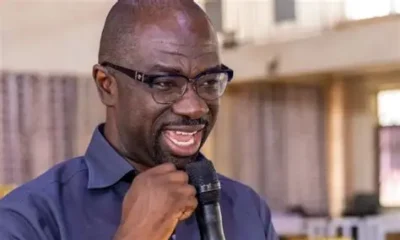
Kwabena Frimpong, Deputy Protocol Director of the NPP, openly criticized the reform in a letter dated May 16, 2025. “No one begins building a house by installing the roof before laying the foundation,” he warned. Frimpong argued that bypassing grassroots structures would “sideline the base” and open doors to favoritism and manipulation.
“Organizationally reckless”
Former Energy Minister and flagbearer hopeful Boakye Agyarko minced no words, calling the plan “strategically unsound, politically indefensible, and organizationally reckless.” He insisted that selecting a flagbearer without solid party structures in place is “a recipe for disaster.”
“Fix the party first.”
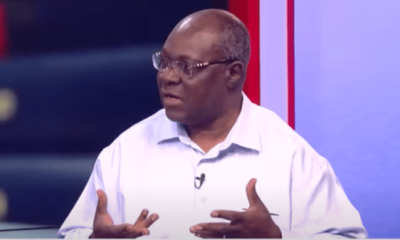
Okaikwei Central MP, Patrick Yaw Boamah, echoed the call for introspection. On Channel One TV’s The Point of View (June 23), he cautioned that the NPP must first resolve its internal divisions. “Those declaring to be flagbearers, what are we standing on?” he asked, urging a focus on party discipline and reorganization before personal ambition.
Boamah also dismissed the top-down strategy as a solution to grassroots apathy, arguing instead for a renewed commitment to participatory democracy.
“Creating more monsters”
Former MP Kennedy Agyapong was blunt at the June 21 Constituency Chairmen Conference. “There is nothing wrong with the system we have… It’s because we created monsters at the party,” he said. Agyapong, a fierce critic of the reform, warned that repeating top-heavy mistakes would deepen the party’s woes and prolong its stay in opposition.
“Reform is unpopular among the grassroots.”
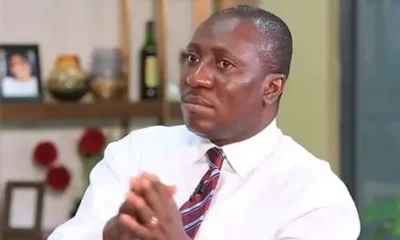
Dr Palgrave Boakye-Danquah, a former government spokesperson, described the reform as “unpopular among NPP grassroots” during an interview with Citi Newsroom. He warned that the shift could erode internal democracy and alienate the base.
“An affront to participatory democracy”
NPP National Treasurer, Dr Charles Dwamena (Dr. China), outright rejected the proposal. “It is an affront to the very architecture of participatory democracy that the NPP holds dear,” he said.
He stressed that the party’s multi-tiered electoral college, from polling stations to national executives, embodies the very principle of bottom-up legitimacy. “This isn’t just a process; it is a principle,” he stated. “To alter it is to amputate the very limb that gives the party its footing.”
High-stakes primary ahead
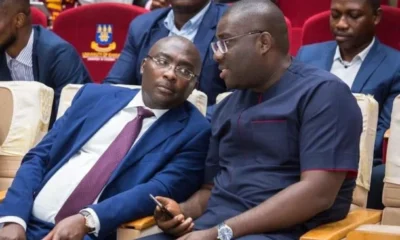
Despite the discord, the 2026 primary is shaping up to be highly competitive. Likely contenders include 2024 flagbearer Dr Mahamudu Bawumia, former Assin Central MP Kennedy Agyapong, Joe Ghartey, Bryan Acheampong, and Boakye Agyarko.
As tensions rise, it remains to be seen whether the NPP will hold its ground or heed calls to maintain its traditional grassroots-first structure.