The Electoral Commission, Ghana (EC) has explained the reason why its leadership failed to be present in Parliament on Thursday, November 5 to present the roadmap of next month’s election to Members.
According to the Commission, the notice got to its office late, at a time some commissioners had travelled outside Accra.
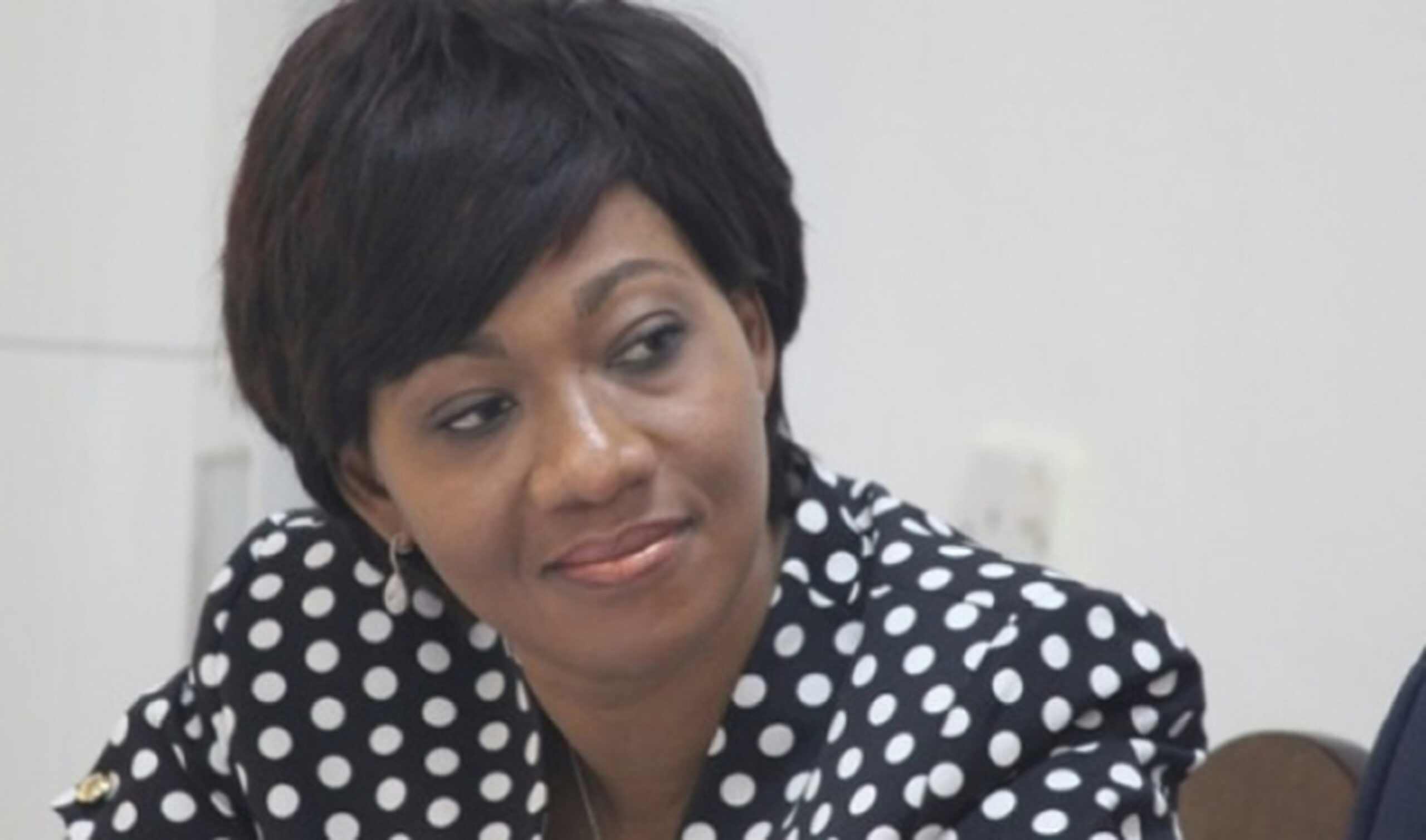
Sitting had to be suspended by Speaker Reverend Professor Aaron Mike Oquaye on Thursday after EC Chair Jean Mensa failed to appear to make her presentation.
The National Security Minister, Albert Kan Dapaah, had appeared earlier to brief the House on the security situation in the country ahead of the polls.
The lawmakers want to know the EC’s preparations as they get ready to go on recess on Saturday, November 7.
But a press release issued by the EC after news broke that its chair is developing a penchant to snub Parliament said it has always been fully “prepare to present its comprehensive report to the Leadership and Honorable Members of the House”.
“In agreement with the Leadership of Parliament, the Commission will present its roadmap to the Honorable Members on Saturday, the 7th of November, 2020,” the release indicated.
Ghana is barely a month away from its eighth elections in the Fourth Republic.
It will, however, be the first for current chair, Jean Mensa.
The first six elections were under the supervision of Dr Kwadwo Afari Gyan and the latest was under the supervision of Charlotte Osei.